missing translation for 'onlineSavingsMsg'
Learn More
Learn More

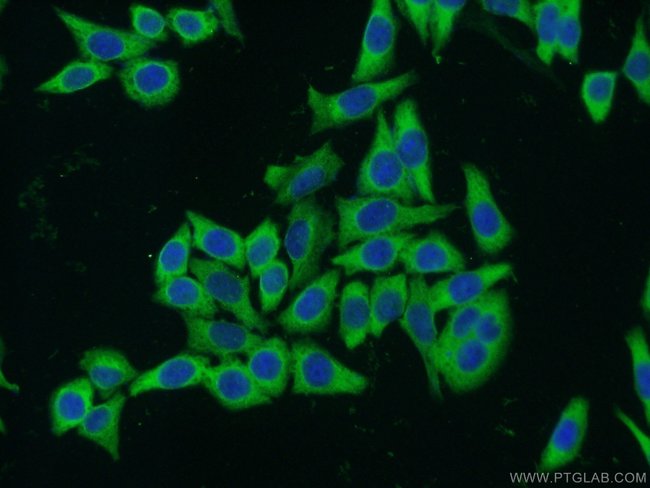

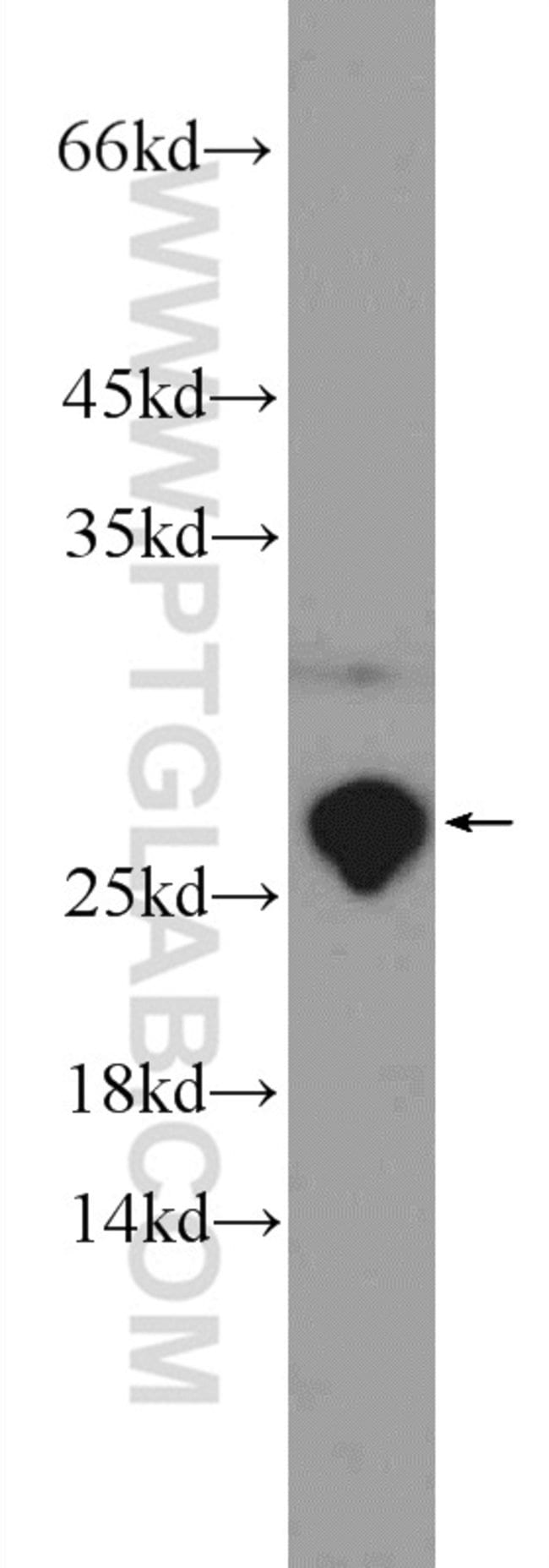
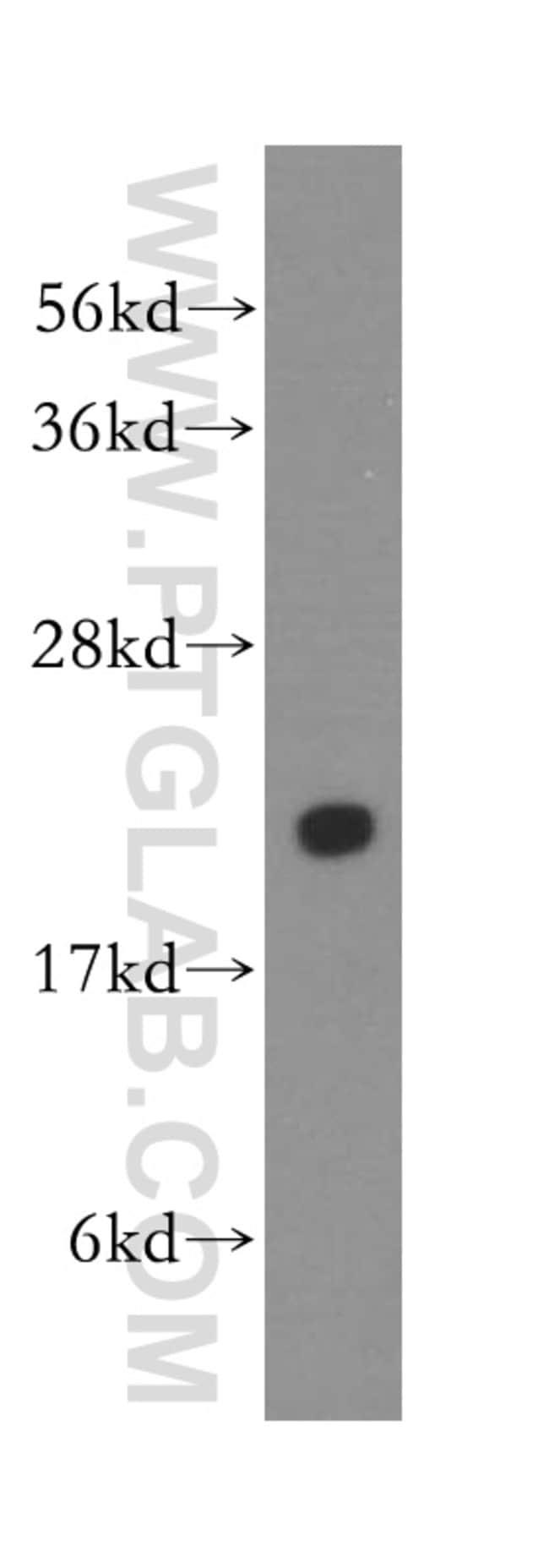
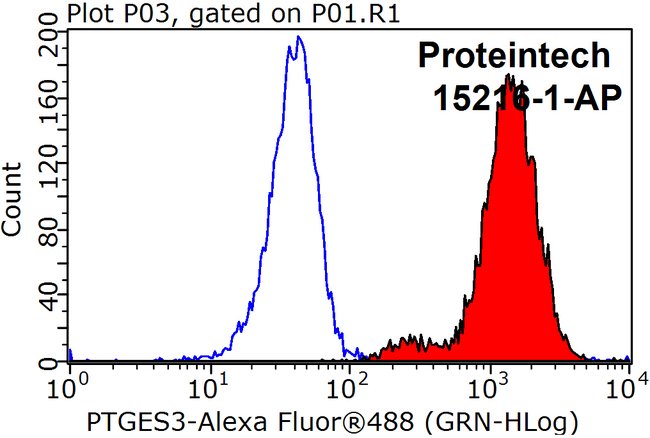
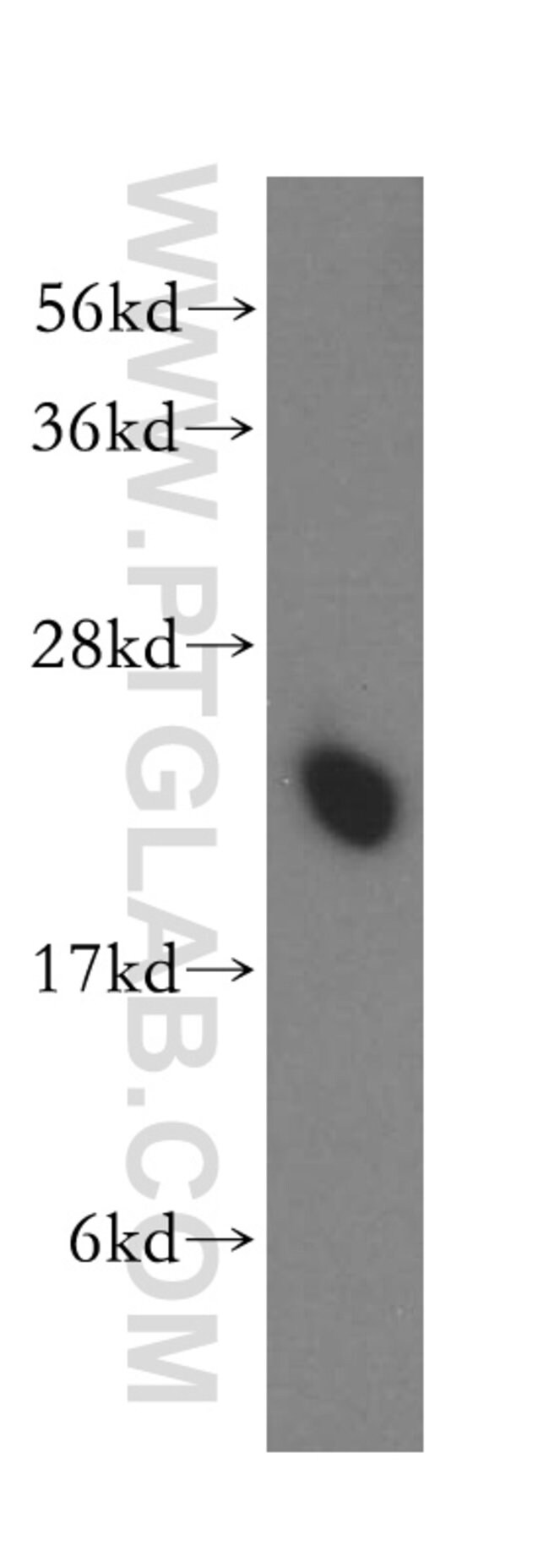
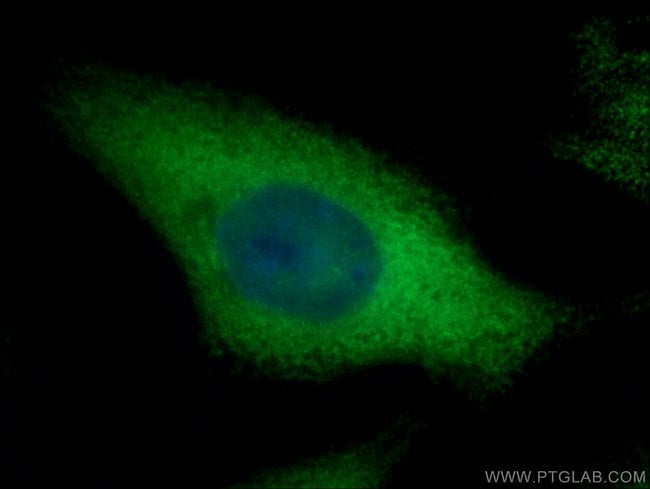
PTGES3 Rabbit anti-Human, Mouse, Rat, Polyclonal, Proteintech
Rabbit Polyclonal Antibody
145.00 € - 410.00 €
Specifications
| Antigen | PTGES3 |
|---|---|
| Concentration | 0.21 mg/mL |
| Applications | Immunofluorescence, Immunocytochemistry, Flow Cytometry, Western Blot, Immunoprecipitation |
| Classification | Polyclonal |
| Conjugate | Unconjugated |
| Product Code | Brand | Quantity | Price | Quantity & Availability | |||||
|---|---|---|---|---|---|---|---|---|---|
| Product Code | Brand | Quantity | Price | Quantity & Availability | |||||
|
16854304
|
Proteintech
15216-1-AP-20UL |
20 μL |
145.00 €
20µL |
Please sign in to purchase this item. Need a web account? Register with us today! | |||||
|
16844304
|
Proteintech
15216-1-AP-150UL |
150 μL |
410.00 €
150µL |
Please sign in to purchase this item. Need a web account? Register with us today! | |||||
Description
Steroid receptors are ligand-dependent intracellular proteins that stimulate transcription of specific genes by binding to specific DNA sequences following activation by the appropriate hormone. Prior to activation, steroid receptors associate with a number of different proteins in both a stable and transient fashion. Steroid receptor complex proteins include heat shock proteins (HSP70 and HSP90), immunosuppressant binding proteins called immunophilins (the FK506 binding proteins, FKBP52 & FKBP54 and the cyclosporin binding protein, CyP-40) and at least three other proteins termed p23, p60 and p48. p23 along with HSP70, HSP90 and p60, combine with progesterone receptor (PR) as members of a transient intermediate complex. Cloned human p23 encodes a protein of 160 amino acids that is highly conserved between species and shows no homology to previously identified proteins. p23 is a highly acidic phosphoprotein with an aspartic acid-rich C-terminal domain and multiple potential phosphorylation sites. In vitro studies have suggested that p23 binds to HSP90 and is necessary for the binding of HSP90 and CyP-40 to PR. While neither its exact function nor mechanism of action have been identified, p23 appears to be an important factor in PR function.Specifications
| PTGES3 | |
| Immunofluorescence, Immunocytochemistry, Flow Cytometry, Western Blot, Immunoprecipitation | |
| Unconjugated | |
| Rabbit | |
| Mouse, Human, Rat | |
| P83868, Q15185, Q9R0Q7 | |
| 10728, 362809, 56351 | |
| PTGES3 Fusion Protein Ag7384 | |
| Primary | |
| -20°C | |
| PTGES3 |
| 0.21 mg/mL | |
| Polyclonal | |
| Liquid | |
| RUO | |
| PBS with 50% glycerol and 0.02% sodium azide; pH 7.3 | |
| cPGES, Hsp90 co chaperone, P23, Prostaglandin E synthase 3, PTGES3, TEBP, Telomerase binding protein p23 | |
| Ptges3 | |
| IgG | |
| Antigen Affinity Chromatography | |
| Antibody |
Spot an opportunity for improvement?Share a Content Correction
Product Content Correction
Your input is important to us. Please complete this form to provide feedback related to the content on this product.
Product Title