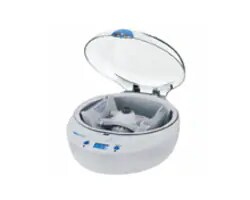
Compact Benchtop Centrifuges
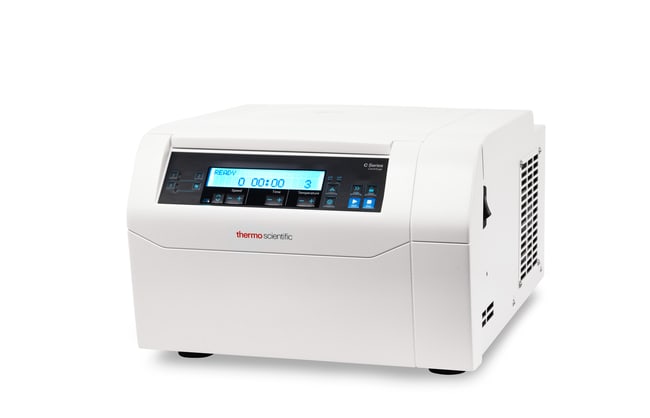
Compact benchtop centrifuges support a wide range of laboratory applications including clinical testing, molecular biology, cell culture, sample preparation and routine research workflows. This category brings together reliable solutions from the Thermo Scientific, Fisherbrand, Corning and Ohaus brands, offering options for high-speed separation, refrigerated processing and everyday laboratory centrifugation. Whether supporting academic, industrial or healthcare environments, these systems are designed to deliver consistent performance while maximizing bench space efficiency.
Useful Links
Save Now - Exclusive Deals

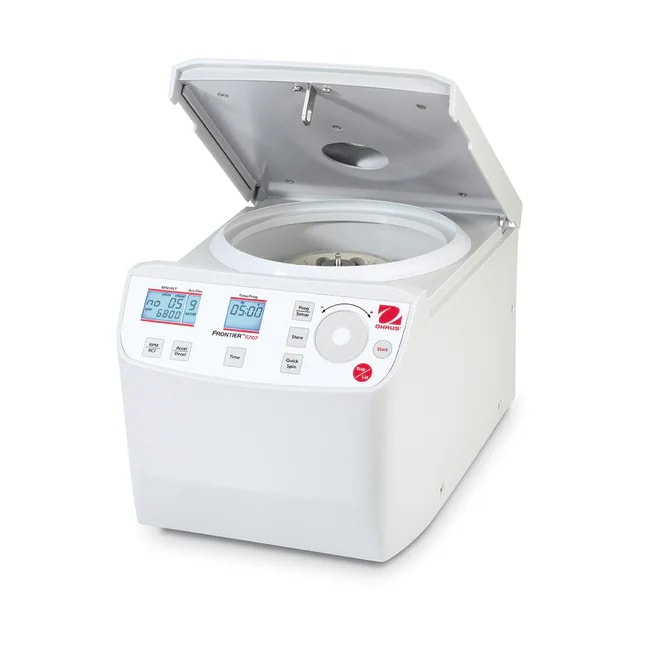
Product Code 12972041

Product Code 15135233

Product Code 15221026

Product Code 11327691
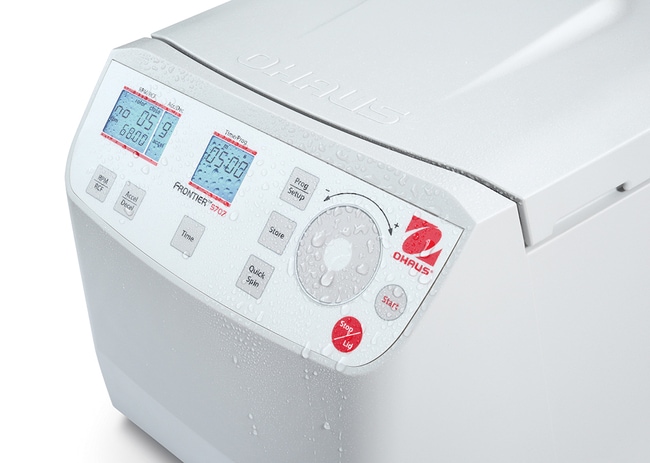
Product Code 16241742
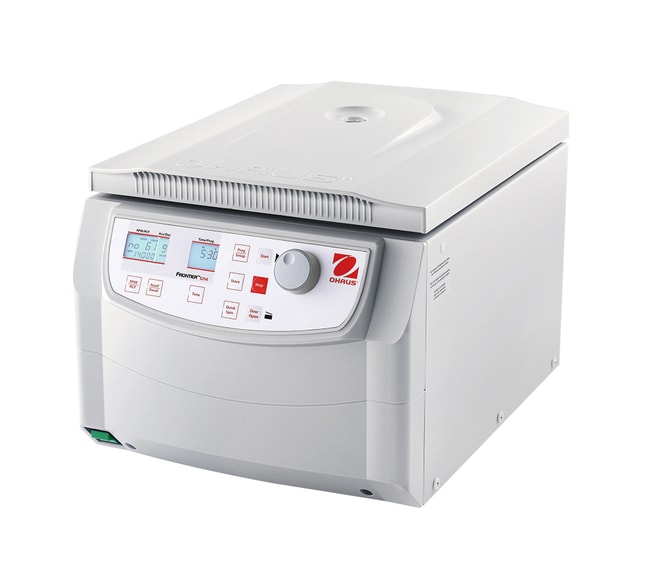
Product Code 15816762
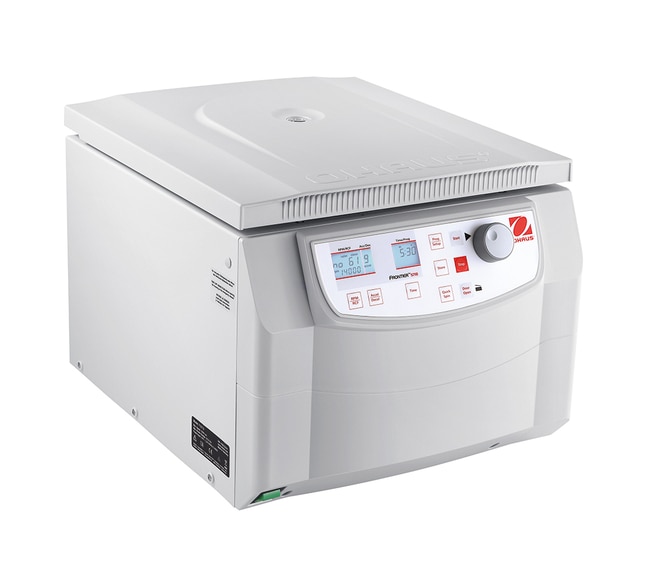
Product Code 15826762
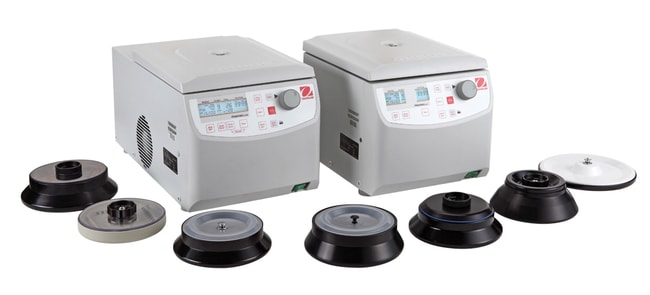
Product Code 15876752
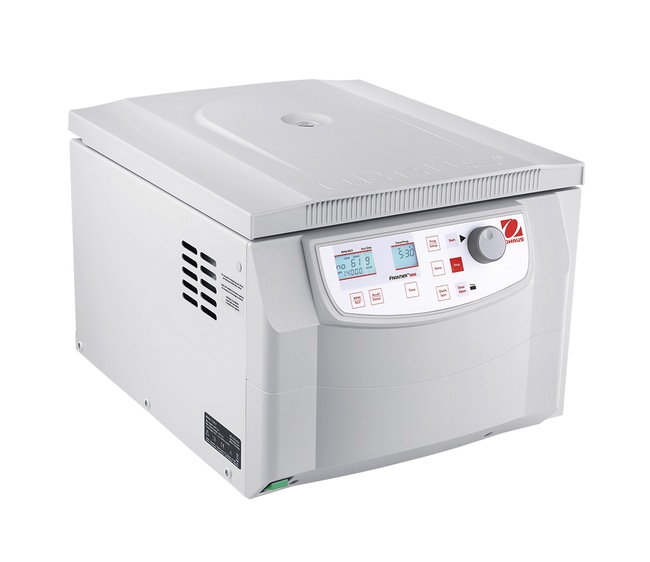
Product Code 15856762
Product Code 30130259
Product Code 15886752
Product Code 15836762
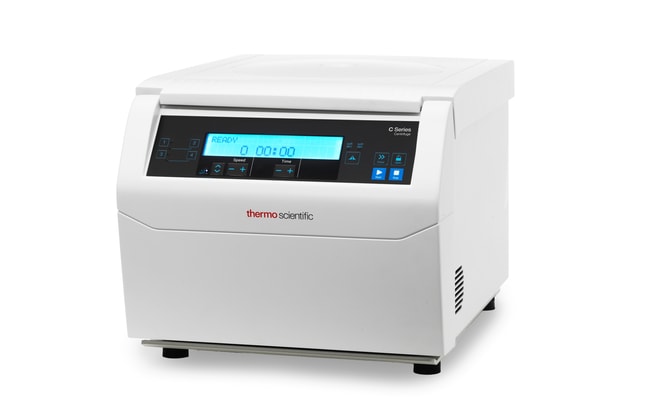
Product Code 31781455
Product Code 31781456
Complete Your Order - Great Deals



Must Have
Product Code 31781457
Product Code 31781458
Product Code 31781459
Product Code 31781460
Product Code 31781462
Product Code 31781463
Product Code 31781465
Product Code 31781466
Product Code 31781467
Product Code 31781468
Product Code 31781469
FAQ
Compact benchtop centrifuges are used to separate samples by density in research, clinical and industrial laboratories. They support sample preparation, molecular biology, cell culture and routine testing workflows.
Refrigerated centrifuges help maintain temperature-sensitive samples during processing. Thermo Scientific refrigerated models are commonly used for biological, clinical and molecular applications requiring temperature control.
Thermo Scientific, Fisherbrand, Corning and Ohaus are widely used brands offering compact benchtop centrifuges with configurations suitable for routine and advanced laboratory requirements.
Compact centrifuges are commonly found in academic laboratories, healthcare facilities, biotechnology companies, pharmaceutical environments and quality control laboratories.
Compact models maximize valuable bench space while providing reliable sample separation performance, flexible rotor options and straightforward operation for daily laboratory workflows.
Top Brands