Chemical-Resistant Gloves
Chemical-resistant gloves are suitable for use in chemical plants and processing, petrochemicals, oil refining, transportation, janitorial work, and maintenance. For applications involving degreasing, as well as work with solvents and hazardous liquids, they are available in a wide range of materials.



Useful Links
Save Now - Exclusive Deals

Product Code 3080947

Product Code 8005362

Product Code 15334082

Product Code 8004829
-Copy.jpg-650.jpg)
Product Code 200019296
.jpg-650.jpg)
Product Code 7229015

Product Code 8005385

Product Code 143493

Product Code 200019970

Product Code 8002830

Product Code 7074281

Product Code 8000022

Product Code 12619741
Complete Your Order - Great Deals

Product Code 7161059

Product Code 17139350

Product Code 8003110
Must Have
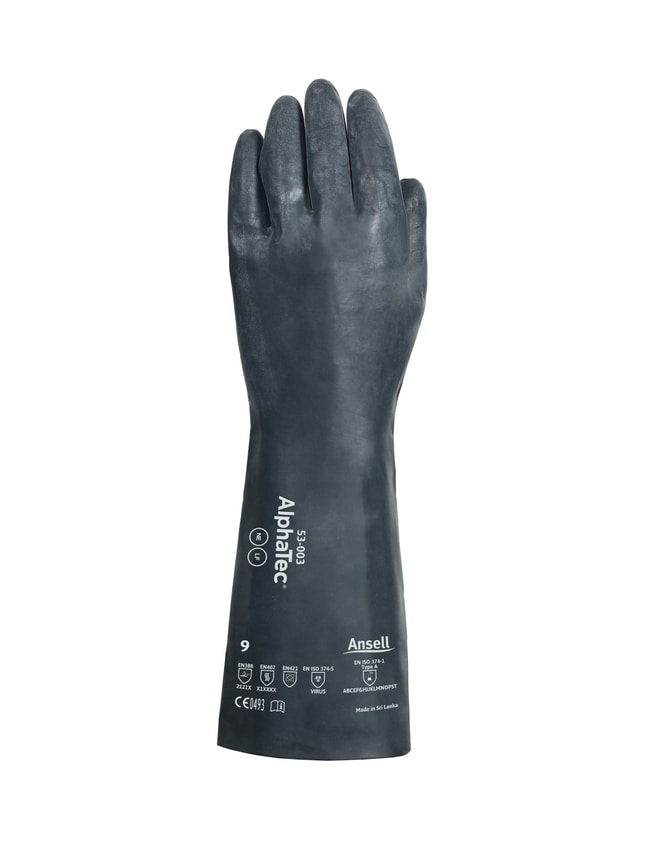
Product Code 200049728

Product Code 15654756

Product Code 11736693

Product Code 7144740

Product Code 7241921

Product Code 11756733

Product Code 15633074

Product Code 8854004
FAQ
Chemical-resistant gloves are made to withstand hazardous chemicals. Common types include:
- Nitrile Gloves: Resist oils, grease, acids, caustics, and solvents
- Neoprene Gloves: Protect against oils, acids, caustics, and solvents
- Butyl Gloves: Shield from gases and highly corrosive acids like nitric and sulfuric acid
- PVC Gloves: Effective against acids, bases, oils, and fats
- PVA Gloves: Resist many solvents but are damaged by water
- Viton Gloves: Resist chlorinated and aromatic solvents, as well as concentrated acids
The thickness of chemical-resistant gloves can vary depending on the specific application and the chemicals being handled. Generally, thicker gloves provide better protection but may reduce dexterity. Common thicknesses include:
- 4-8 mils (0.1-0.2 mm): Suitable for light chemical handling where dexterity is important
- 8-12 mils (0.2-0.3 mm): Provides moderate protection for a wider range of chemicals
- 12-18 mils (0.3-0.5 mm): Offers higher protection for more hazardous chemicals and extended exposure
- 18-30 mils (0.5-0.8 mm) and above: Used for heavy-duty chemical handling where maximum protection is required
Reusing chemical-resistant gloves depends on:
- Chemical Type and Concentration: Dispose gloves after exposure to highly corrosive or permeating chemicals
- Exposure Duration: Short-term exposure to less harmful chemicals may allow for reuse if gloves are inspected and cleaned
- Condition: Discard gloves with any signs of wear, degradation, punctures, or tears
- Manufacturer Guidelines: Follow instructions for reuse; some gloves are single-use
- Cleaning: Clean and decontaminate gloves as recommended.
- Storage: Store cleaned gloves in a cool, dry place away from sunlight and chemicals
Resources and Related Information



Top Brands