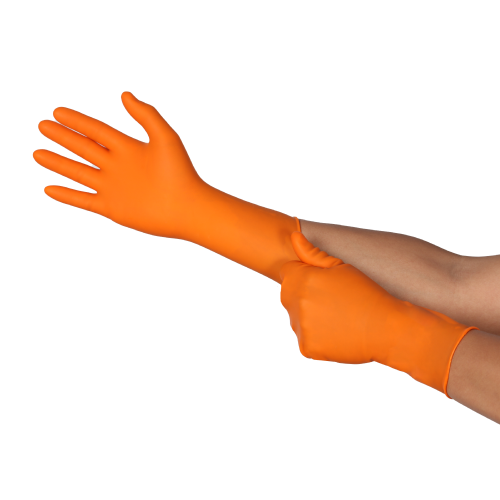

TouchNTuff 93-800
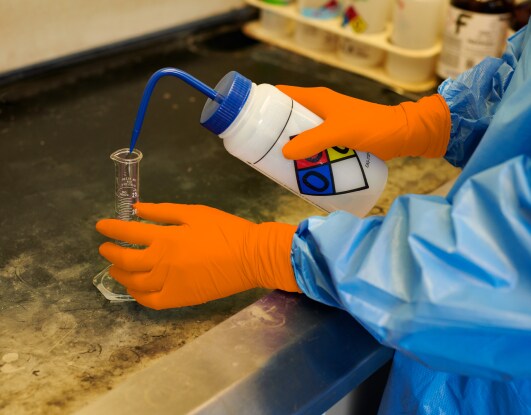
The first disposable glove on the market to resist acetone for at least 15 minutes, a performance level 15 times longer than standard nitrile disposable gloves.
How Can Ansell TouchNTuff™ 93-800 Help You?



The Next Generation of Disposable Gloves
Related Videos
Ansell TouchNTuff 93-800
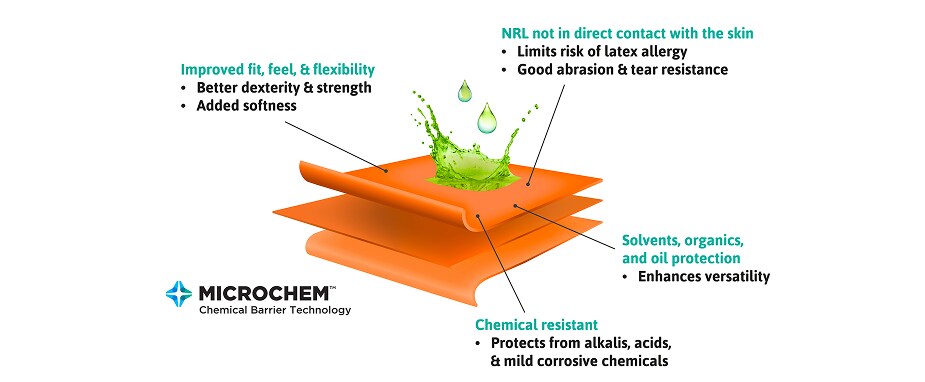
Learn more about these innovative multi-layer chemical resistant disposable gloves.
Related Documentation


Frequently Asked Questions
Acetone (C3H6O) is a fast-evaporating solvent known for its effectiveness in breaking down substances like paint, glue, oil, and grease. It’s used for a wide variety of functions in the manufacturing, pharmaceutical, electronics and personal care industries.
- Manufacturing - Acetone is used in the production of plastics, synthetic fibers, and industrial adhesives.
- Pharmaceuticals - It plays a role in formulating medications by acting as a solvent during production.
- Electronics - The solvent is commonly used to clean and prepare electronic components.
- Personal Care - Acetone is a key ingredient in nail polish remover and other cosmetic products.
With so many acetone uses, it’s no wonder global demand keeps rising. But the same properties that make acetone so useful also make it risky.
Many workers are unaware of the hazards of acetone, especially with repeated or prolonged exposure. Here’s what you need to know about the risks it poses:
- Skin and Eye Irritation - Acetone can dry out and irritate the skin, sometimes causing cracking and peeling. Its vapors can also irritate the eyes, leading to redness or discomfort.
- Respiratory Issues - Breathing in acetone vapors can irritate your throat and lungs, which may escalate to more serious symptoms with long-term exposure.
- Nervous System Effects - High levels of acetone inhalation can cause dizziness, headaches, confusion, and nausea. Over time, these neurological effects can become more severe.
Symptoms like dizziness, nausea, blurred vision, and skin cracking can all be traced back to acetone health risks. And here’s something many overlook: Acetone doesn’t just pose a threat when inhaled, it can also be absorbed directly through the skin.
When working with volatile substances like acetone, safety begins with the right precautions. These include:
1. Wearing the correct PPE, including acetone-resistant gloves, goggles, and respirators, to prevent skin and respiratory exposure.
2. Storing acetone in tightly sealed, labeled containers away from heat, sparks, and incompatible chemicals.
3. Working in a well-ventilated area with local exhaust systems and air quality monitoring to control vapor levels.
Ansell TouchNTuff™ 93-800
Redefining disposable protection with at least 15 minutes of acetone resistance.