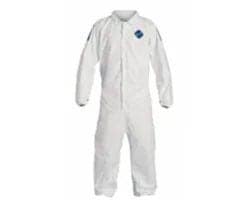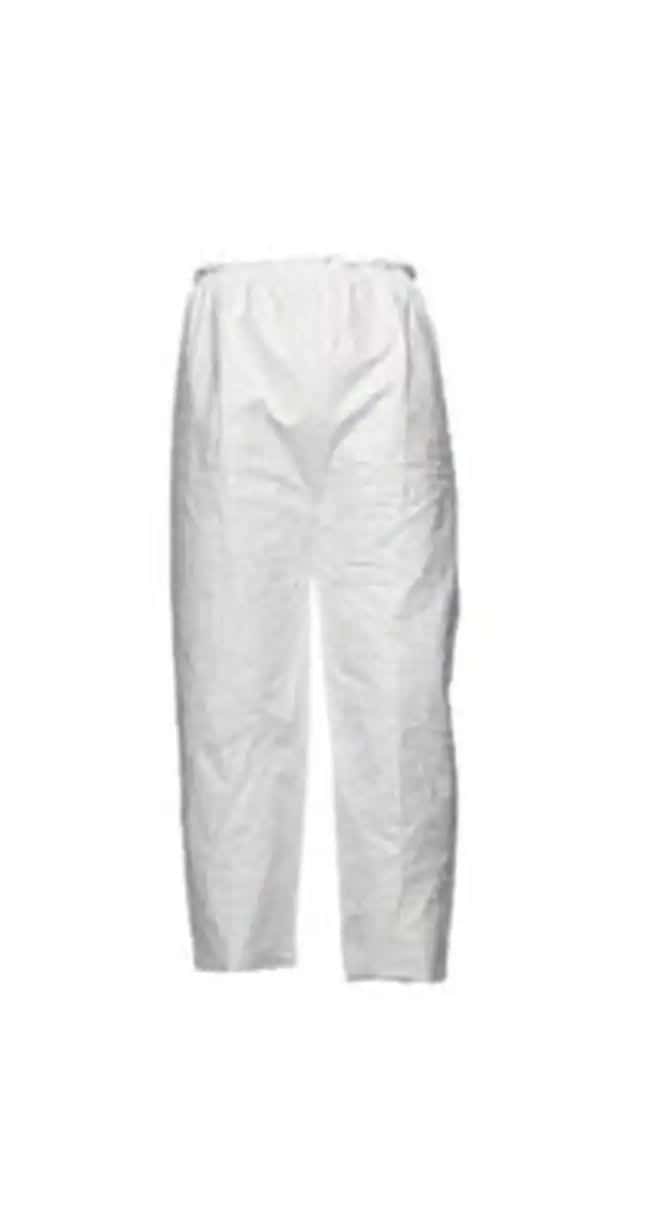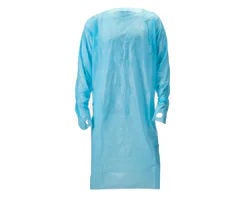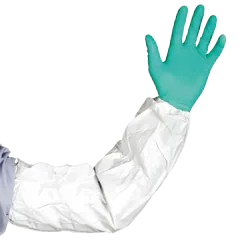
Protective Sleeves
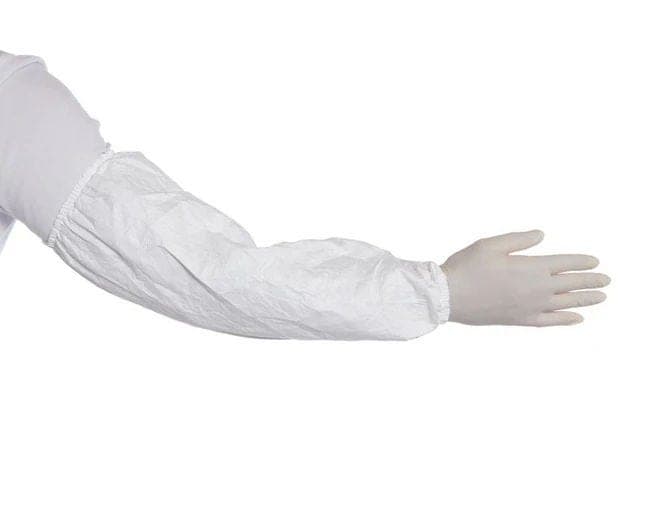
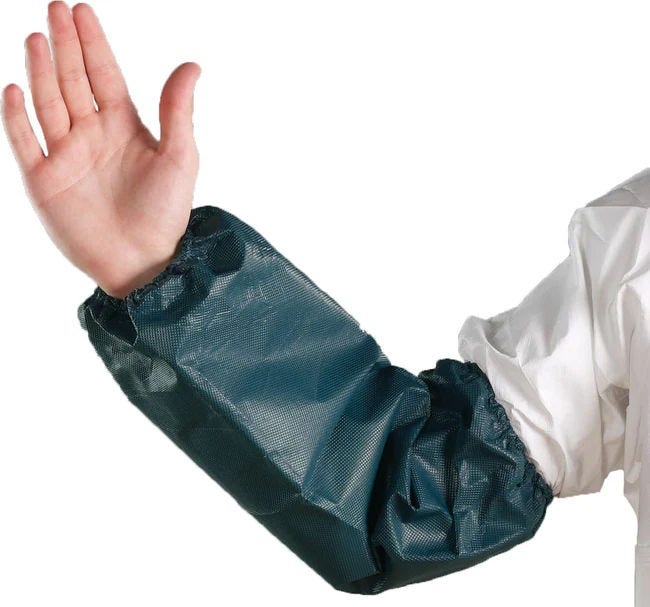
Single-use or reusable garments covering the wrist to the upper arm, protective sleeves are designed to protect against cuts, abrasions, heat, burns, chemicals, bacteria, biological contaminants, and other injuries.

Useful Links
Save Now - Exclusive Deals

Product Code 15278298

Product Code 15759037

Product Code 15654904

Product Code 15196415

Product Code 15516544

Product Code 12332289

Product Code 15267924

Product Code 17229911

Product Code 12670962

Product Code 7162780

Product Code 12689711

Product Code 7222393
Complete Your Order - Great Deals


Must Have

Product Code 16448363

Product Code 8005270

Product Code 15298108

Product Code 12697041


Product Code 12650952

Product Code 7236927
FAQ
Overall, protective sleeves as PPE are designed to enhance the safety and protection of workers by reducing the risk of injuries and exposure to hazardous conditions.
• Cut-Resistant Sleeves: Made from materials like Kevlar or Dyneema, these sleeves protect against cuts and abrasions, often used in industries involving sharp tools or materials.
• Heat-Resistant Sleeves: Typically made from materials like Nomex or aluminized fabric, these sleeves protect against burns from high temperatures and open flames, commonly used in welding, foundries, and firefighting.
• Chemical-Resistant Sleeves: Constructed from materials like neoprene, nitrile, or PVC, these sleeves provide a barrier against hazardous chemicals and are used in laboratories, chemical processing, and cleaning operations.
• Biological Protection Sleeves: Often made from disposable materials like polyethylene or polypropylene, these sleeves protect against bloodborne pathogens and other biological hazards, used in healthcare and laboratory settings.
• Impact-Resistant Sleeves: Featuring padding or reinforced materials, these sleeves protect against impacts and blunt force trauma, used in construction, manufacturing, and other heavy-duty environments.
These protective sleeves are designed to address specific hazards and provide appropriate protection for various occupational tasks.
Gamma sterilized sleeves are protective sleeves that have undergone gamma irradiation to eliminate microorganisms, including bacteria, viruses, and fungi, ensuring they are sterile. This sterilization process involves exposing the sleeves to gamma rays, a form of high-energy radiation, which effectively destroys the DNA of any contaminants.
How They Are Protective:
• Microbial Protection: Gamma sterilized sleeves are free from microorganisms, making them ideal for use in sterile environments such as medical facilities, laboratories, and cleanrooms. They help prevent contamination and infection.
• Barrier Protection: These sleeves provide a physical barrier that protects the wearer’s arms from exposure to hazardous substances, including biological agents and chemicals.
• Maintained Sterility: The sterilization process ensures that the sleeves remain sterile until they are used. They are typically packaged in sealed, sterile packaging to maintain their sterility until opened.
• Versatility: Gamma sterilized sleeves can be made from various materials, such as polyethylene or polypropylene, depending on the required level of protection and the specific application.
Overall, gamma sterilized sleeves are crucial for maintaining a sterile environment and protecting both the wearer and the surrounding area from contamination and infection.
When selecting protective sleeves as Personal Protective Equipment (PPE), consider the following five factors:
1) Material: Choose a material suitable for the specific hazards you face, such as cut-resistant fabric for sharp objects, flame-resistant material for high-heat environments, or chemical-resistant material for handling hazardous substances.
2) Comfort and Fit: Ensure the sleeves fit properly and are comfortable to wear for extended periods. They should not restrict movement or cause undue discomfort.
3) Durability: Assess the durability of the sleeves to ensure they can withstand the work environment and provide long-lasting protection.
4) Compliance and Standards: Verify that the sleeves meet relevant safety standards and regulations for your industry or specific application.
5) Ease of Maintenance: Consider how easy it is to clean and maintain the sleeves. Some materials may require specific cleaning methods or have limitations on how often they can be washed or reused.
By carefully evaluating these factors, you can select protective sleeves that provide the necessary protection while being practical and comfortable for the wearer.
Resources and Related Information



Shop By Brand