Microspheres
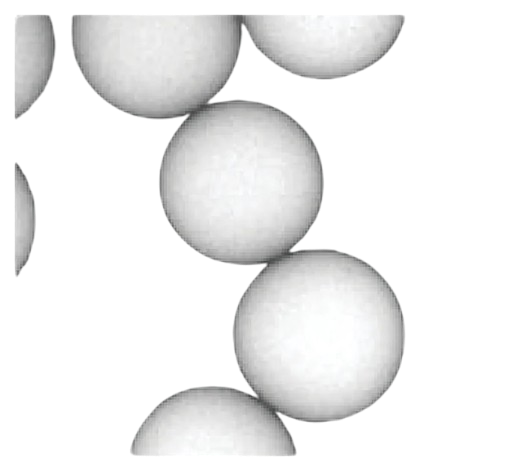
Microspheres are spherical particles with a small diameter, usually in the micrometer or nanometer range. Microsphere surfaces can be modified for specific applications, such as calibration, labeling, flow cytometry, purification, and more. They are available in various sizes and compositions.

Useful Links
Save Now - Exclusive Deals

Product Code 4924163

Product Code 18634410

Product Code 11819912

Product Code 10022593

Product Code 15254394

Product Code 18670064

Product Code 6838068
.jpg-650.jpg)
Product Code 6838063
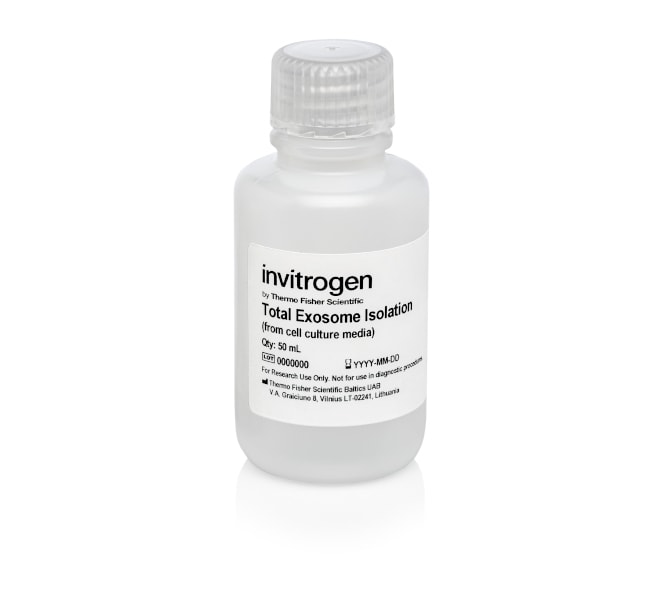
Product Code 13335394
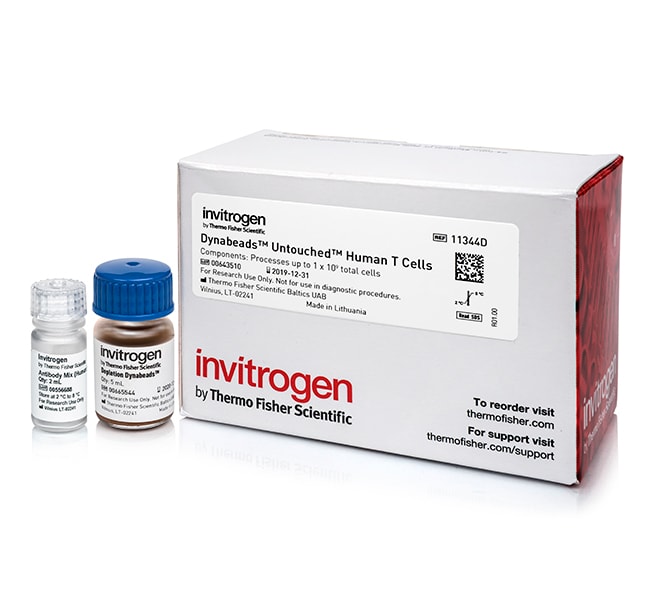
Product Code 10033093
Product Code 6838066
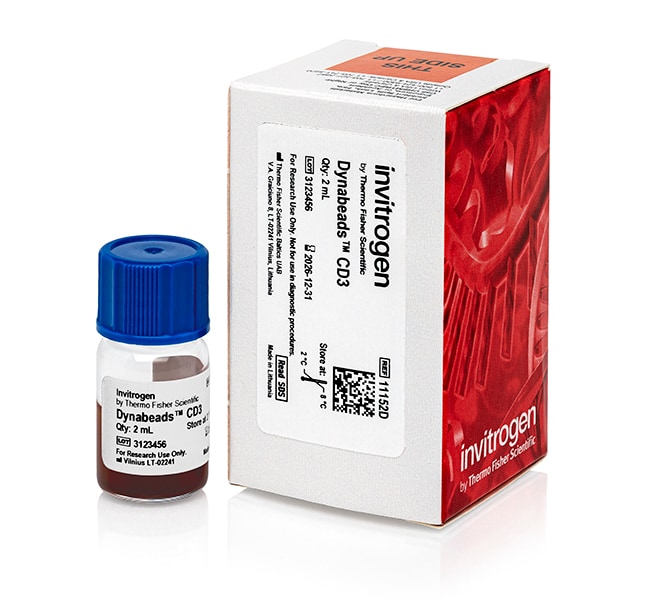
Product Code 10725693
Complete Your Order - Great Deals

Product Code 10531948

Product Code 12842393

Product Code 7075636
Must Have

Product Code 4530427
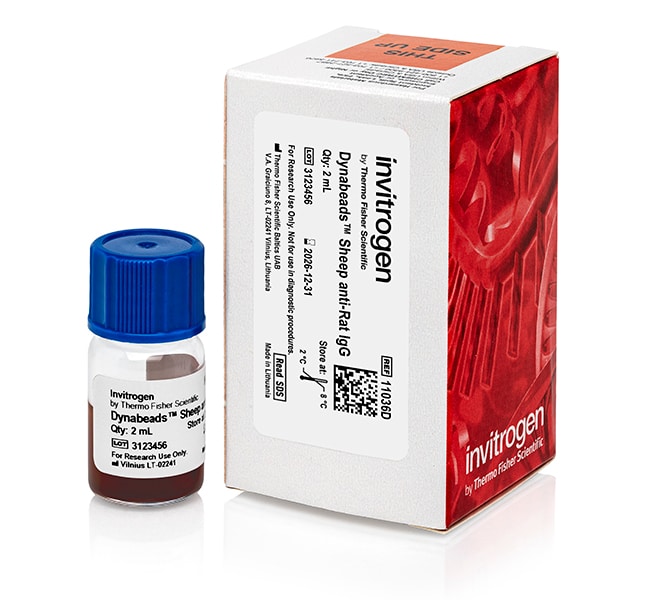
Product Code 10592405

Product Code 10195142

Product Code 11550736


Product Code 6838064

Product Code 6838062

Product Code 10343523
FAQ
Microspheres are used in a variety of applications across different fields due to their unique properties. Here are some common uses:
- Drug Delivery: Microspheres can encapsulate drugs, allowing for controlled and targeted release. This is particularly useful in chemotherapy and other treatments where precise delivery is critical
- Medical Diagnostics: They are used as carriers for diagnostic agents in imaging techniques such as MRI and ultrasound
- Vaccine Development: Microspheres can be used to deliver antigens in a controlled manner, enhancing the immune response
- Tissue Engineering: In regenerative medicine, microspheres can serve as scaffolds that support the growth of new tissue
- Cosmetics: They are used in the formulation of products like anti-aging creams and foundations for their ability to deliver active ingredients and provide a smooth texture
- Environmental Applications: They can be used in water treatment processes to remove contaminants
- Research: In scientific research, microspheres are used as tools for studying cellular processes, including phagocytosis and cell sorting
- Agriculture: They are used in the controlled release of fertilizers and pesticides
Microspheres offer several advantages that make them valuable in various applications in pharmaceuticals, biotechnology, cosmetics, agriculture:
Microspheres can encapsulate active agents and release them at a controlled rate, improving the efficacy and reducing side effects of drugs, pesticides, and other substances. They can be engineered to target specific sites within the body or environment, enhancing the precision of treatments and reducing the impact on non-target areas. Encapsulation within microspheres can protect sensitive substances from degradation due to environmental factors like light, heat, and moisture. Microspheres can improve the bioavailability of drugs by facilitating better absorption and distribution within the body. Controlled release properties can reduce the frequency of dosing, improving patient compliance and convenience. They can be formulated in various sizes and compositions, allowing customization for specific applications and requirements. By targeting delivery and controlling release, microspheres can minimize side effects associated with high concentrations of active agents. In cosmetics, microspheres can enhance the texture, appearance, and performance of products, providing a smooth and even application. In agricultural and environmental applications, controlled release reduces the amount of chemicals needed and minimizes their impact on the environment.
Key applications of microspheres in pharmacy:
- Controlled Drug Release: Sustained release of drugs to maintain therapeutic levels.
- Targeted Drug Delivery: Direct delivery to specific tissues or organs, minimizing side effects.
- Vaccine Delivery: Enhanced immune response with controlled antigen release.
- Gene Therapy: Delivery of genetic material to target cells.
- Pulmonary Drug Delivery: Inhalable microspheres for respiratory conditions.
- Ocular Drug Delivery: Sustained drug release for eye treatments.
- Oral Drug Delivery: Improved bioavailability of orally administered drugs.
- Topical Drug Delivery: Controlled release through the skin.
- Diagnostic Imaging: Enhanced contrast for imaging techniques.
The three most common types of microspheres are:
- Polymeric Microspheres: Examples include PLGA (Poly(lactic-co-glycolic acid)) and polystyrene, widely used in drug delivery and diagnostics.
- Glass Microspheres: Used in lightweight fillers, insulation, and medical applications.
- Silica Microspheres: Employed in chromatography, drug delivery, and various industrial applications.
Resources and Related Information



Top Brands